
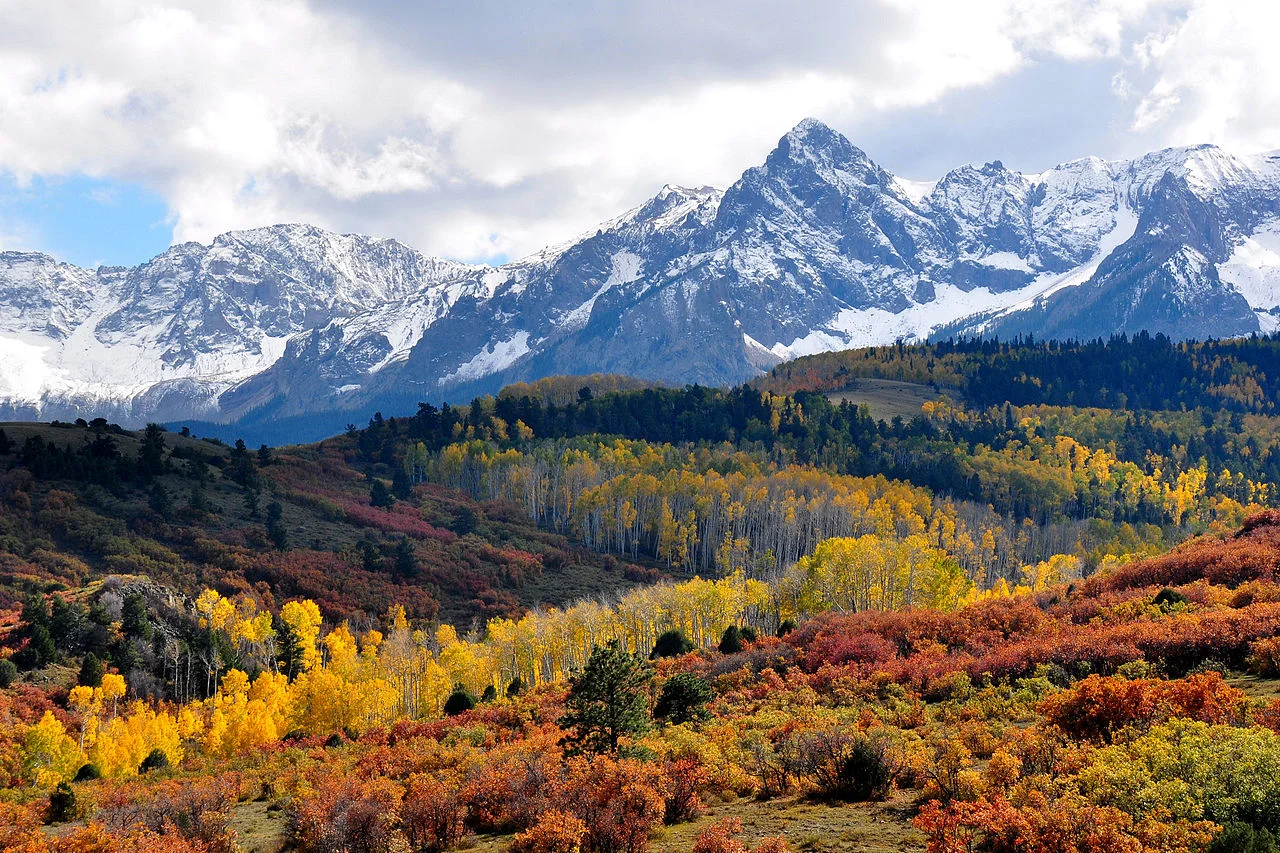
Ask Snowmass locals to name their favorite season and a surprising number will skip right past powder days: late September. For two to three weeks, the aspen groves that blanket these mountainsides turn gold — not a polite, leafy yellow, but a luminous, shimmering gold that moves when the wind does. The summer crowds are gone, the ski crowds haven’t arrived, and the whole valley glows. Here’s how to catch it.
When to Come: The Gold Window
Around Snowmass and Aspen, color typically peaks between mid-September and early October, with the last week of September and the first week of October the usual sweet spot. The mechanics matter for planning: aspens turn from high elevation downward, so the groves near the ridgelines go first and the valley floor finishes last — which means even if you miss “peak” by a few days, some elevation band is peaking while you’re here. A warm, dry September pushes everything later; an early cold snap accelerates it. If you can travel on short notice, watch the color reports in mid-September and jump.
The Classic Views
The Maroon Bells. The most photographed mountains in North America earn it in fall: twin 14,000-foot peaks, usually dusted with early snow, above a lake ringed in gold. Access up Maroon Creek Road runs on a reservation-and-shuttle system into late October — book ahead, because fall weekends sell out fast.
Independence Pass. Highway 82 over the 12,095-foot pass east of Aspen is one of Colorado’s great alpine drives, through gold-lined switchbacks to above-treeline tundra. It closes for the season around the start of November — fall is your last call.
Castle Creek and Ashcroft. The quieter connoisseur’s drive: up Castle Creek Road past gold hillsides to the ghost town of Ashcroft, weathered cabins against yellow groves.
Owl Creek Road. The local shortcut between Snowmass Village and Aspen rolls through meadows and aspen stands that turn brilliantly — a fifteen-minute color tour you can do on the way to dinner.
See It From the Trail — or the Gondola
The Rim Trail and Ditch Trail put you inside the color without leaving the village; the Rim Trail’s ridgeline sections serve up gold slopes in every direction. For bigger commitment, the trails toward the Maroon Bells–Snowmass Wilderness climb through some of the densest aspen forest in the state. Prefer altitude without effort? The Elk Camp Gondola typically runs on select fall weekends through late September into early October — ride up, walk the meadows, and look back down on a valley gone gold.
Photography Notes
Shoot early and late — low-angle light sets the gold on fire and adds shadow depth the midday sun flattens. Backlight is the aspen’s best trick: position the sun behind the leaves and they turn to stained glass. And bring the wide lens and the long one: the classic shots here are both the sweeping hillside and the tight, geometric white-trunks-and-gold-canopy frame.
The Practical Case for Fall
Beyond the color: lodging rates are among the lowest of the year, restaurant tables are easy, trails are quiet, and the weather is typically dry, crisp, and sunny. The honest caveats — some businesses take an October shoulder-season break, and high trails can catch early snow — are covered in our season-by-season guide and packing list. Fall here rewards the traveler who likes a place best just slightly out of season.
Stonebridge Condominiums stays open through the gold window — full kitchens for slow mornings, hot tubs for cool evenings, and the shuttle loop to everything. Check fall availability here or call 1-800-323-2577.